
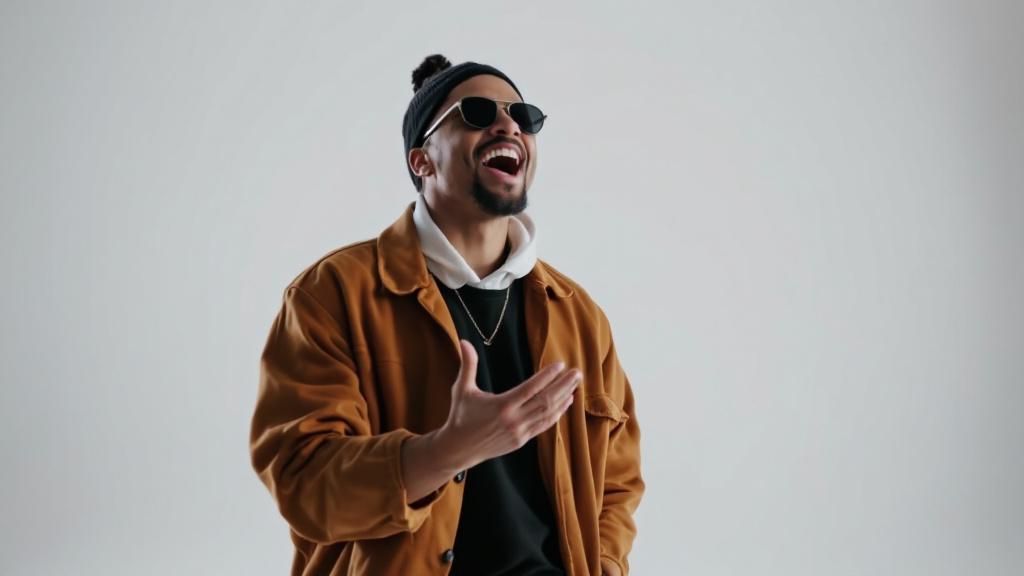
In an growing digital space, social media has dramatically reshaped how audiences discover, consume, and engage with music. A renowned musician recently shared frank observations into this major upheaval, examining how platforms like TikTok, Instagram, and YouTube have reshaped the entertainment industry. From opening doors for new talent to disrupting traditional record label models, social media’s influence is beyond question. This article examines the opportunities and challenges facing modern musicians, probing how they’re modifying their approach to succeed in an era where breakout content can propel artists to fame overnight.
The Emergence of Fan Engagement Platforms
Social media has dramatically altered the relationship between musicians and their audiences, removing traditional intermediaries that once governed direct contact between performers and listeners. Platforms such as Instagram, TikTok, and Twitter now allow performers to share their creative journey, personal thoughts, and new content to vast audiences in real time. This remarkable openness has nurtured more meaningful bonds between performers and their fanbase, transforming passive listeners into active participants who feel truly committed to an artist’s journey and career trajectory.
The effects of this direct engagement are profound and multifaceted. Artists can now receive immediate input on original content, explore ideas with their listeners before public launches, and build dedicated fanbases that deliver crucial assistance throughout their professional lives. Furthermore, this opening up of channels has given independent creators the ability to establish significant audiences on their own, bypassing the gatekeeping mechanisms that traditionally controlled the entertainment industry. Consequently, the conventional balance of power between record labels, promoters, and artists have changed substantially, opening fresh avenues for creative control and economic self-sufficiency.
Drawbacks of Always-On Connectivity
Whilst social media has undoubtedly opened doors for aspiring musicians, the constant pressure for perpetual content output presents considerable obstacles. Artists now find themselves obligated to maintain an near-constant online presence, producing compelling posts, stories, and videos to maintain audience engagement and algorithmic visibility. This pressure diverts valuable time and energy from genuine artistic work, potentially compromising the standard of musical production. Furthermore, the expectation to be continuously available can impose a substantial burden on psychological wellbeing, as musicians contend with widespread examination, hostile remarks, and the concern about sustaining relevance in an ever more crowded digital marketplace.
The algorithm-driven nature of digital social networks creates additional complications for musicians seeking long-term career viability. Achievement is not based exclusively on talent or artistic merit; instead, it depends heavily upon understanding platform mechanics, when to post content, and what’s trending. This lack of predictability means that even highly skilled artists may struggle to gain traction, whilst others achieve viral success by being novel rather than genuine artistry. Moreover, the fleeting character of online engagement means that sustaining success requires constant reinvention, trapping artists trapped within an exhausting cycle of adaptation and performance that often feels removed from authentic creative expression.
The Future of Musical Content and Online Services
The trajectory of the music industry appears fundamentally connected to the advancement of digital platforms. As artificial intelligence and machine learning keep advancing, tailored music curation will become progressively more refined, significantly transforming how consumers encounter new artists. Digital streaming providers are investing heavily in algorithmic playlist creation, which aims to expand creative access further whilst also prompting questions about artistic merit and market sustainability. The musician emphasised that adaptability will be paramount for those seeking longevity in this swiftly evolving landscape.
Developing technologies present both remarkable possibilities and substantial difficulties for today’s musicians. immersive concert events, decentralised royalty platforms, and NFT assets represent emerging spaces that musicians are starting to investigate experimentally. However, the long-term viability of these advances remains uncertain, and many musicians express scepticism about their lasting prospects. The prevailing view indicates that whilst exploration remains vital, sustaining meaningful relationships with fans through traditional means stays equally vital for creating sustained professional success and establishing genuine fan loyalty.
Looking ahead, successful musicians will probably adopt hybrid strategies that leverage social media’s audience whilst upholding artistic integrity and creative control. The democratization of production equipment means that home-based creators now rival professional studios, significantly redefining industry structures. However, the human element—narrative craft, emotional depth, and authentic connection—cannot be duplicated by algorithms or technology. The musician noted that this equilibrium of authenticity and innovation will in the end determine the future generation of music industry accomplishment.
